Meta hooked children and misled public: prosecutors / Photo: ALEX WONG - GETTY IMAGES NORTH AMERICA/AFP/File

 London
 22 °C
22 °C
 Manchester
18 °C
Manchester
18 °C
 Glasgow
 17 °C
17 °C
 Dublin
19 °C
Dublin
19 °C
 Belfast
17 °C
Belfast
17 °C
 Washington
17 °C
Washington
17 °C
 Denver
16 °C
Denver
16 °C
 Atlanta
23 °C
Atlanta
23 °C
 Dallas
22 °C
Dallas
22 °C
 Houston Texas
26 °C
Houston Texas
26 °C
 New Orleans
 26 °C
26 °C
 El Paso
18 °C
El Paso
18 °C
 Phoenix
28 °C
Phoenix
28 °C
 Los Angeles
28 °C
San Diego
29 °C
San Francisco
21 °C
Chicago
18 °C
Minneapolis
14 °C
Seattle
Los Angeles
28 °C
San Diego
29 °C
San Francisco
21 °C
Chicago
18 °C
Minneapolis
14 °C
Seattle
 12 °C
Portland
13 °C
Salt Lake City
20 °C
Las Vegas
25 °C
Miami
31 °C
Jacksonville
29 °C
San Antonio
24 °C
Bermuda
28 °C
Nassau
17 °C
Iqaluit
0 °C
Yellowknife
4 °C
Anchorage
12 °C
Portland
13 °C
Salt Lake City
20 °C
Las Vegas
25 °C
Miami
31 °C
Jacksonville
29 °C
San Antonio
24 °C
Bermuda
28 °C
Nassau
17 °C
Iqaluit
0 °C
Yellowknife
4 °C
Anchorage
 3 °C
Fairbanks
-1 °C
Barrow
3 °C
Fairbanks
-1 °C
Barrow
 -11 °C
Calgary
-11 °C
Calgary
 3 °C
Edmonton
20 °C
Winnipeg
10 °C
Goose Bay
15 °C
Halifax
17 °C
Boston
16 °C
Ottawa
11 °C
Toronto
14 °C
Detroit
15 °C
Cleveland
18 °C
New York
17 °C
Baltimore
16 °C
Philadelphia
16 °C
Nuuk (Godthåb)
5 °C
Hong Kong
26 °C
Singapore
30 °C
Melbourne
30 °C
Canberra
8 °C
Adelaide
13 °C
Darwin
27 °C
Perth
16 °C
Fort Worth
21 °C
Honolulu
3 °C
Edmonton
20 °C
Winnipeg
10 °C
Goose Bay
15 °C
Halifax
17 °C
Boston
16 °C
Ottawa
11 °C
Toronto
14 °C
Detroit
15 °C
Cleveland
18 °C
New York
17 °C
Baltimore
16 °C
Philadelphia
16 °C
Nuuk (Godthåb)
5 °C
Hong Kong
26 °C
Singapore
30 °C
Melbourne
30 °C
Canberra
8 °C
Adelaide
13 °C
Darwin
27 °C
Perth
16 °C
Fort Worth
21 °C
Honolulu
 24 °C
Sydney
16 °C
Johannesburg
19 °C
Dubai
34 °C
Mumbai
33 °C
Zürich
24 °C
Tokyo
19 °C
Seoul
17 °C
Delhi
30 °C
Beijing
16 °C
Riyadh
36 °C
Prague
20 °C
Pennsylvania
15 °C
Valletta
26 °C
Manama
34 °C
Warsaw
17 °C
Stockholm
15 °C
24 °C
Sydney
16 °C
Johannesburg
19 °C
Dubai
34 °C
Mumbai
33 °C
Zürich
24 °C
Tokyo
19 °C
Seoul
17 °C
Delhi
30 °C
Beijing
16 °C
Riyadh
36 °C
Prague
20 °C
Pennsylvania
15 °C
Valletta
26 °C
Manama
34 °C
Warsaw
17 °C
Stockholm
15 °C
Meta hooked and exploited children, a federal court heard Tuesday in the trial of the social media giant on charges that it deliberately made Instagram and Facebook addictive to young users.
In what many experts have called social media's "big tobacco moment," a coalition of states are demanding Meta pay $200 billion in penalties for using technology specifically designed to foster addiction among children in a similar fashion to cigarettes.
"Meta's business model can be summed up with four simple parts: hook the users, hold them for as long as they can, harvest their data, and then hide the truth from the public," California Deputy Attorney General Megan O'Neill told the court in opening arguments.
Meta "exploited how kids' brains work," she said.
The company has denied all the allegations, insisting it had worked with parents, experts and law enforcement to incorporate protective safeguards for children.
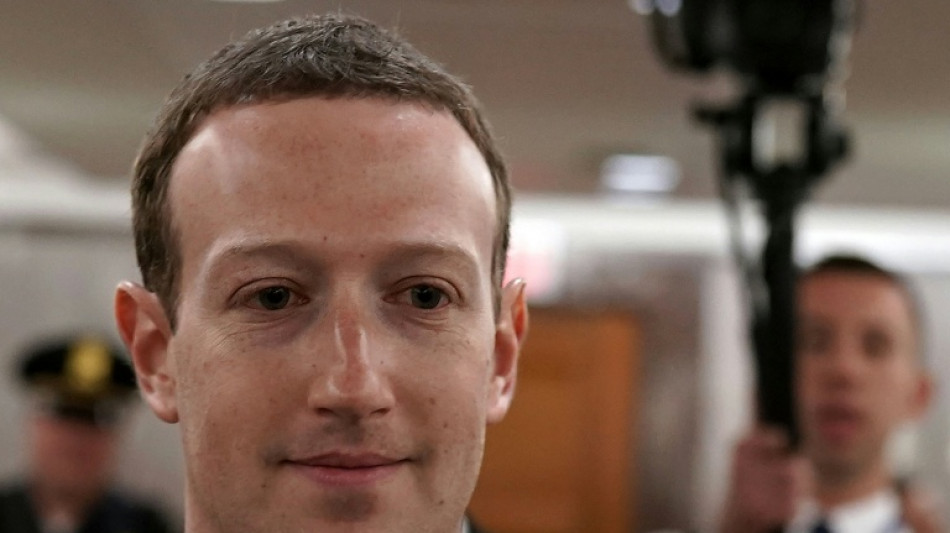
Meta founder and chief Mark Zuckerberg is among the star witnesses expected to testify, along with Instagram head Adam Mosseri.
Outside the court, mothers of children who they say were driven to taking their own lives as a direct result of social media usage called for Meta to be held to account.
"I have a message for Meta, Mark Zuckerberg and Adam Mosseri: You built one of those most powerful and richest companies in the world," said one mother, Lori Schott.
"But power does not excuse harm. Profits does not erase the responsibility of big tech, and no company, no matter how wealthy, no matter how influential, no matter how untouchable it feels it is, should get to stand above the truth, the law, and our children," Schott said.
This is the first federal trial in what is expected to be a tidal wave of lawsuits also targeting Tiktok, Snapchat and YouTube as families, educators and state governments charge them with harming the mental health of young people.
Meta, which has more than three billion users around the world, is on trial by itself in this case.
Meta "strongly disagrees" with the allegations in the trial, a spokesperson told AFP.
In addition to financial penalties, the states are demanding changes to Meta's apps to protect young users including limits to screen time.
Four states -- California, Colorado, Kentucky and New Jersey -- are representing a coalition of 29 states that first sued Meta in 2023.
The charges are three-fold: that Meta lied to the public about how dangerous its apps are for minors; designed some features specifically to get them hooked and stay online, including screen time-limiting ones that are easy to get around; and gathered data on children under age 13 without parental consent, in violation of federal law.
The trial is expected to last six weeks, with a verdict expected by October.
- 'Broader reckoning' -
While not the first case seeking to hold tech companies accountable for these types of issues, it could become one of the most consequential.
The case could be "the beginning of a broader reckoning" for Meta, Stanford law professor Nora Freeman Engstrom told AFP, especially if the company has to overhaul its two enormously popular products.
"The huge issue here is reputational harm" and being forced to make major changes, Vincent Joralemon, a director at Berkeley's Life Sciences Law and Policy Center, told AFP.
Experts see parallels with a three-decade-old settlement between dozens of US states and tobacco companies.
"It really feels like tobacco in the 1990s," Joralemon said.
While cases about social media harms revolve around the intersection of technology and addiction, the case against Meta focuses on its business practices, similar to when US regulators sued tobacco companies, Joralemon said.
Dozens of US states sued four major tobacco companies for downplaying the harmful health impacts of their products, and won a 1998 landmark settlement that included financial penalties and changes to product marketing.
Those tobacco companies have paid over $176 billion since, according to data from the National Association of Attorneys General.
G.Schulz--BlnAP