Tibet activists accuse China of downplaying floods / Photo: - - CNS/AFP/File

 London
 15 °C
15 °C

 Manchester
 13 °C
13 °C
 Glasgow
17 °C
Glasgow
17 °C
 Dublin
16 °C
Dublin
16 °C
 Belfast
15 °C
Belfast
15 °C
 Washington
 25 °C
25 °C
 Denver
 17 °C
17 °C
 Atlanta
 24 °C
24 °C
 Dallas
30 °C
Dallas
30 °C
 Houston Texas
28 °C
Houston Texas
28 °C
 New Orleans
27 °C
New Orleans
27 °C
 El Paso
25 °C
El Paso
25 °C
 Phoenix
28 °C
Phoenix
28 °C
 Los Angeles
19 °C
San Diego
20 °C
San Francisco
16 °C
Chicago
26 °C
Minneapolis
19 °C
Seattle
15 °C
Portland
17 °C
Salt Lake City
17 °C
Las Vegas
30 °C
Miami
27 °C
Jacksonville
25 °C
San Antonio
27 °C
Bermuda
28 °C
Nassau
21 °C
Iqaluit
7 °C
Yellowknife
13 °C
Anchorage
8 °C
Fairbanks
9 °C
Barrow
3 °C
Calgary
11 °C
Edmonton
23 °C
Winnipeg
15 °C
Goose Bay
19 °C
Halifax
18 °C
Boston
20 °C
Ottawa
18 °C
Toronto
20 °C
Detroit
24 °C
Cleveland
24 °C
New York
22 °C
Baltimore
24 °C
Philadelphia
23 °C
Nuuk (Godthåb)
3 °C
Hong Kong
28 °C
Singapore
32 °C
Melbourne
25 °C
Canberra
17 °C
Adelaide
15 °C
Darwin
Los Angeles
19 °C
San Diego
20 °C
San Francisco
16 °C
Chicago
26 °C
Minneapolis
19 °C
Seattle
15 °C
Portland
17 °C
Salt Lake City
17 °C
Las Vegas
30 °C
Miami
27 °C
Jacksonville
25 °C
San Antonio
27 °C
Bermuda
28 °C
Nassau
21 °C
Iqaluit
7 °C
Yellowknife
13 °C
Anchorage
8 °C
Fairbanks
9 °C
Barrow
3 °C
Calgary
11 °C
Edmonton
23 °C
Winnipeg
15 °C
Goose Bay
19 °C
Halifax
18 °C
Boston
20 °C
Ottawa
18 °C
Toronto
20 °C
Detroit
24 °C
Cleveland
24 °C
New York
22 °C
Baltimore
24 °C
Philadelphia
23 °C
Nuuk (Godthåb)
3 °C
Hong Kong
28 °C
Singapore
32 °C
Melbourne
25 °C
Canberra
17 °C
Adelaide
15 °C
Darwin
 31 °C
Perth
18 °C
Fort Worth
29 °C
Honolulu
26 °C
Sydney
23 °C
Johannesburg
31 °C
Perth
18 °C
Fort Worth
29 °C
Honolulu
26 °C
Sydney
23 °C
Johannesburg
 19 °C
Dubai
41 °C
Mumbai
19 °C
Dubai
41 °C
Mumbai
 31 °C
Zürich
18 °C
Tokyo
28 °C
Seoul
24 °C
Delhi
34 °C
Beijing
30 °C
Riyadh
40 °C
Prague
18 °C
Pennsylvania
22 °C
Valletta
30 °C
Manama
39 °C
Warsaw
20 °C
Stockholm
17 °C
31 °C
Zürich
18 °C
Tokyo
28 °C
Seoul
24 °C
Delhi
34 °C
Beijing
30 °C
Riyadh
40 °C
Prague
18 °C
Pennsylvania
22 °C
Valletta
30 °C
Manama
39 °C
Warsaw
20 °C
Stockholm
17 °C
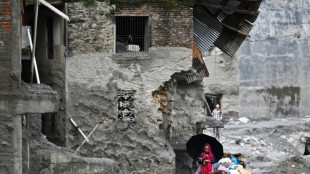
Exiled Tibetans and advocacy groups have accused China of heavily underreporting the death toll from devastating flooding in border regions with Nepal, claims Beijing rejected as "malicious smearing and sensationalism".
Beijing, which in 1950 sent troops to the vast high-altitude plateau it describes as an integral part of China, has long opposed international activities it sees as challenging its sovereignty.
Foreign journalists are restricted from reporting from Tibet and Chinese authorities have a tight grip on information sources on the region.
Beijing's state media reports that 16 people died in Tibet with 546 missing, and the foreign ministry insists that the release of information has been "open, transparent and timely".
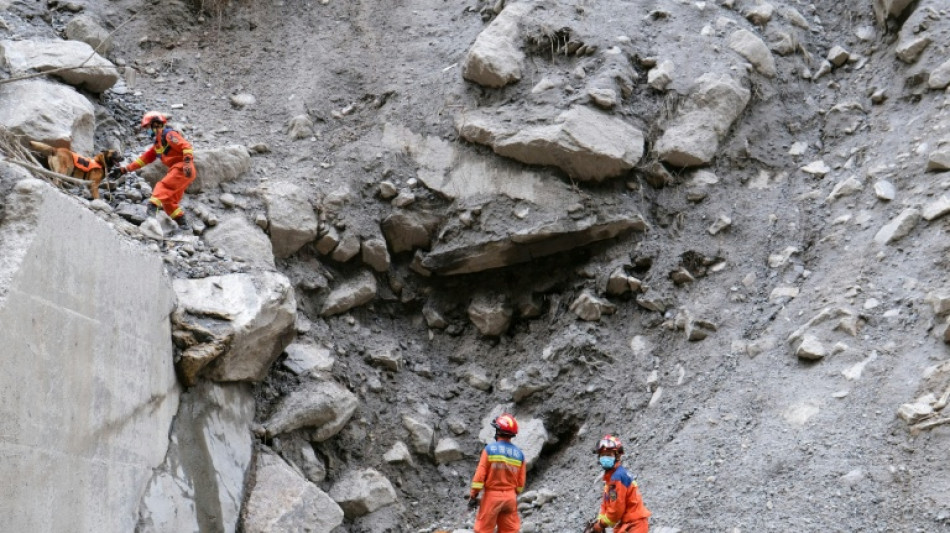
China's state-run Xinhua news agency said Tuesday that emergency workers were trying to find survivors and working to reopen a major highway. State broadcaster CCTV showed excavators scooping up debris next to a swollen, muddy river.
Chinese authorities penalised 10 people accused of spreading misinformation online, suggesting that the number of missing or dead was vastly more than officially reported figures, according to the Ministry of Public Security.
- 'Homes destroyed' -
Tibetan exiles dispute that.
Exile-run Tibet Radio, in neighbouring India, said it had gathered reports of about 25 deaths of Tibetans inside Tibet -- 15 from the border and 10 visiting for trade and work purposes.
Tibetans in exile in India, in contact with family in the hard-hit area of Gyirong, said five villages were primarily affected.
Asking not to be named in fear for the safety of relatives, they said mourning rituals were being held, estimating that at least 24 people had died.
The exiled Tibetans said relatives told them a large number of labourers from Lhasa and Shigatse had been at a bridge construction project in the area. Their whereabouts remain unknown.
Advocacy groups also voiced scepticism about the numbers reported by China.
Tencho Gyatso, president of the International Campaign for Tibet, called for China to disclose "complete and verifiable information about the damage and casualties".
The campaign group said that its sources inside Tibet reported at least four villages were hardest hit, with "over 300 homes destroyed and a large number of residents still unaccounted for".
The group said sources in Tibet had told them that the casualty count was likely "much higher".
In Nepal, the wave of freezing water and debris unleashed by a glacial collapse on the China-Nepal border on August 26 killed at least 939 people and left nearly 4,500 missing.
- 'Relatives in danger' -
Buddhist spiritual leader the Dalai Lama, in India, has said he is praying for all those killed -- but also warned of wider issues.
"Since this region has seen calamities in the past as well, these are certainly symptoms of a deeper underlying cause -- whether climate change or other factors," he said on Thursday.
The Dalai Lama was just 23 when he fled the Tibetan capital Lhasa in fear for his life after Chinese troops crushed an uprising in 1959. He has never returned. Beijing condemns the Dalai Lama as a rebel and separatist.
Beata Tikos, of Tibet House in New York, a cultural centre founded by Dalai Lama, said it was not surprising that there "may be confusion" around Beijing's messaging.
China's hydrodam construction in Tibet, and manipulation of rivers, were among the chief causes of the disaster, Tikos charged.
"There is an overwhelming amount of firsthand documentation indicating that dam-building compounds the glacial melt and permafrost melt already underway from warming," Tikos added.
In Australia, home to a 3,000-strong Tibetan community, exiles were in anguish about family in Tibet.
"We believe they are minimising the scale of the damage," Australia Tibet Council executive officer Zoe Bedford said.
"Tibetans in Australia know that they can't just really call their relatives and say: 'Hey what's going on?' That will put their relatives in danger."
burs-djw/pjm/abh/hmn
G.Schulz--BlnAP