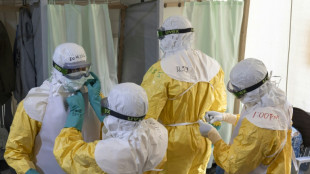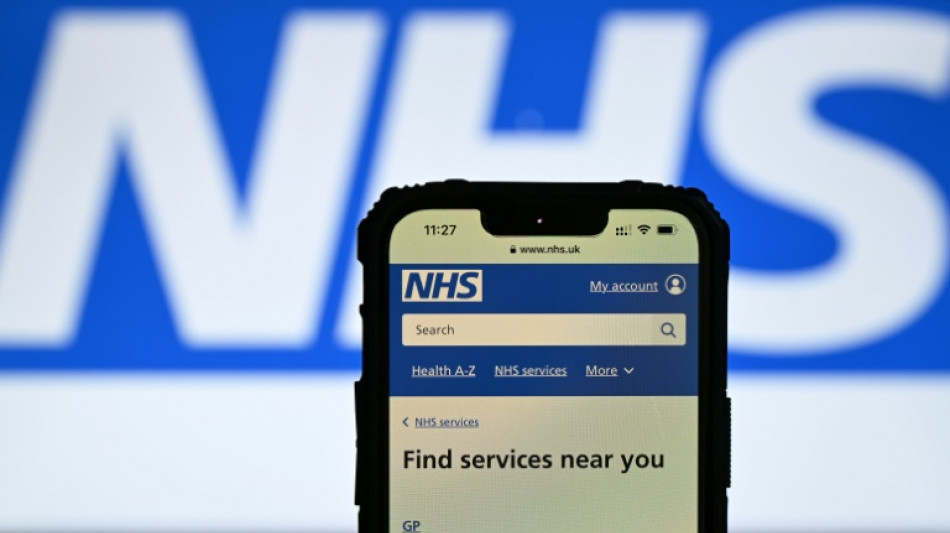
UK health service battles 'super flu' outbreak / Photo: JUSTIN TALLIS - AFP

 London
 20 °C
20 °C
 Manchester
16 °C
Manchester
16 °C
 Glasgow
 17 °C
17 °C
 Dublin
17 °C
Dublin
17 °C
 Belfast
15 °C
Belfast
15 °C
 Washington
 27 °C
27 °C
 Denver
22 °C
Denver
22 °C
 Atlanta
 29 °C
29 °C
 Dallas
34 °C
Dallas
34 °C
 Houston Texas
 32 °C
32 °C
 New Orleans
31 °C
New Orleans
31 °C
 El Paso
23 °C
El Paso
23 °C
 Phoenix
33 °C
Phoenix
33 °C
 Los Angeles
22 °C
San Diego
22 °C
San Francisco
15 °C
Chicago
23 °C
Minneapolis
20 °C
Seattle
16 °C
Portland
17 °C
Salt Lake City
25 °C
Las Vegas
30 °C
Miami
33 °C
Jacksonville
30 °C
San Antonio
32 °C
Bermuda
30 °C
Nassau
24 °C
Iqaluit
5 °C
Yellowknife
5 °C
Anchorage
11 °C
Fairbanks
8 °C
Barrow
-1 °C
Calgary
11 °C
Edmonton
32 °C
Winnipeg
12 °C
Goose Bay
23 °C
Halifax
23 °C
Boston
24 °C
Ottawa
24 °C
Toronto
24 °C
Detroit
22 °C
Cleveland
27 °C
New York
24 °C
Baltimore
27 °C
Philadelphia
26 °C
Nuuk (Godthåb)
5 °C
Hong Kong
Los Angeles
22 °C
San Diego
22 °C
San Francisco
15 °C
Chicago
23 °C
Minneapolis
20 °C
Seattle
16 °C
Portland
17 °C
Salt Lake City
25 °C
Las Vegas
30 °C
Miami
33 °C
Jacksonville
30 °C
San Antonio
32 °C
Bermuda
30 °C
Nassau
24 °C
Iqaluit
5 °C
Yellowknife
5 °C
Anchorage
11 °C
Fairbanks
8 °C
Barrow
-1 °C
Calgary
11 °C
Edmonton
32 °C
Winnipeg
12 °C
Goose Bay
23 °C
Halifax
23 °C
Boston
24 °C
Ottawa
24 °C
Toronto
24 °C
Detroit
22 °C
Cleveland
27 °C
New York
24 °C
Baltimore
27 °C
Philadelphia
26 °C
Nuuk (Godthåb)
5 °C
Hong Kong
 28 °C
Singapore
29 °C
Melbourne
27 °C
Canberra
28 °C
Singapore
29 °C
Melbourne
27 °C
Canberra
 1 °C
Adelaide
8 °C
Darwin
26 °C
Perth
21 °C
Fort Worth
34 °C
Honolulu
25 °C
Sydney
11 °C
Johannesburg
23 °C
Dubai
34 °C
Mumbai
28 °C
Zürich
16 °C
Tokyo
1 °C
Adelaide
8 °C
Darwin
26 °C
Perth
21 °C
Fort Worth
34 °C
Honolulu
25 °C
Sydney
11 °C
Johannesburg
23 °C
Dubai
34 °C
Mumbai
28 °C
Zürich
16 °C
Tokyo
 19 °C
Seoul
16 °C
Delhi
19 °C
Seoul
16 °C
Delhi
 30 °C
Beijing
19 °C
Riyadh
36 °C
Prague
21 °C
Pennsylvania
26 °C
Valletta
28 °C
Manama
36 °C
Warsaw
22 °C
Stockholm
17 °C
30 °C
Beijing
19 °C
Riyadh
36 °C
Prague
21 °C
Pennsylvania
26 °C
Valletta
28 °C
Manama
36 °C
Warsaw
22 °C
Stockholm
17 °C
The UK is facing an "unprecedented wave of super flu", a health chief has warned, as Prime Minister Keir Starmer Friday denounced "reckless" plans by doctors to launch a five-day strike next week.
"The 'super flu' epidemic sweeping the country means this is the NHS's most precarious moment since the pandemic," Starmer wrote in The Guardian daily referring to the National Health Service.
The resident doctors strikes just before Christmas "should not happen. They are reckless. They place the NHS and patients who need it in grave danger," he added.
NHS figures published on Thursday showed flu cases at a record level for the time of year.
The number of cases jumped 55 percent in a week to an average of 2,660 patients in hospital each day last week.
"With record demand... and an impending resident (junior) doctors strike, this unprecedented wave of super flu is leaving the NHS facing a worst-case scenario for this time of year," said NHS National Medical Director Meghana Pandit.
Health minister Wes Streeting told The Times newspaper the numbers could triple before they peak and said the situation in hospitals was already "inexcusable".
The functioning of the NHS is a major political issue in Britain, with Starmer's beleaguered Labour government under pressure to bring down waiting times.
The planned strike from Wednesday will be the 14th walkout by medics since March 2023 if it goes ahead.
Attempts to reduce patient waiting lists have been affected in part by the repeated industrial action by both resident doctors and consultants.
- 'Good deal' -
The resident doctors -- those below consultant level -- are in dispute with the government over pay and a shortage of training opportunities.
Streeting has agreed to the doctors' union's demand that UK-trained medics get priority for training posts over candidates from overseas.
The number of training places will also be boosted.
"A good deal is on the table," wrote Starmer. "My message to the doctors is simple –- take it."
But Streeting insisted the government "cannot and will not move on pay, especially not after a 28.9-percent pay rise over the last three years and the highest pay award across the entire public sector in the last two".
The British Medical Association, which represents resident doctors, is demanding an extra 26 percent it says is needed to achieve pay restoration after years of below inflation pay deals.
It is due to put the government's new deal to members in an online survey, which will close on Monday.
K.Busch--BlnAP