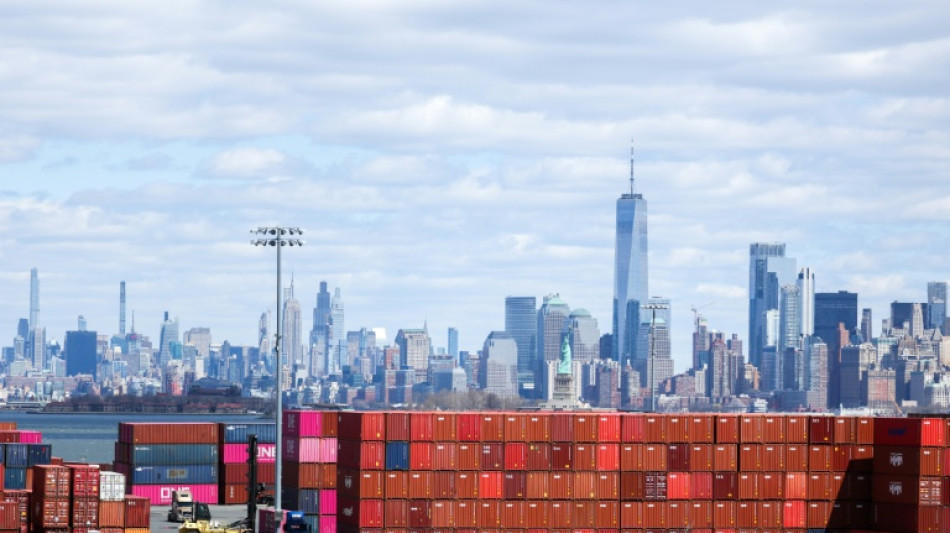
EU to vote on Trump tariff deal -- but eyes rest of world / Photo: CHARLY TRIBALLEAU - AFP/File

 London
 15 °C
15 °C

 Manchester
 13 °C
13 °C
 Glasgow
 12 °C
12 °C
 Dublin
15 °C
Dublin
15 °C
 Belfast
12 °C
Belfast
12 °C
 Washington
 16 °C
16 °C
 Denver
14 °C
Denver
14 °C
 Atlanta
 15 °C
15 °C
 Dallas
23 °C
Dallas
23 °C
 Houston Texas
24 °C
Houston Texas
24 °C
 New Orleans
22 °C
New Orleans
22 °C
 El Paso
21 °C
El Paso
21 °C
 Phoenix
27 °C
Phoenix
27 °C
 Los Angeles
 20 °C
San Diego
21 °C
San Francisco
14 °C
Chicago
15 °C
Minneapolis
15 °C
Seattle
10 °C
Portland
10 °C
Salt Lake City
20 °C
Las Vegas
27 °C
Miami
20 °C
San Diego
21 °C
San Francisco
14 °C
Chicago
15 °C
Minneapolis
15 °C
Seattle
10 °C
Portland
10 °C
Salt Lake City
20 °C
Las Vegas
27 °C
Miami
 24 °C
Jacksonville
16 °C
San Antonio
26 °C
Bermuda
28 °C
Nassau
14 °C
Iqaluit
24 °C
Jacksonville
16 °C
San Antonio
26 °C
Bermuda
28 °C
Nassau
14 °C
Iqaluit
 2 °C
Yellowknife
6 °C
Anchorage
8 °C
Fairbanks
4 °C
Barrow
-1 °C
Calgary
7 °C
Edmonton
13 °C
Winnipeg
17 °C
Goose Bay
12 °C
Halifax
13 °C
Boston
15 °C
Ottawa
10 °C
Toronto
12 °C
Detroit
12 °C
Cleveland
10 °C
New York
14 °C
Baltimore
17 °C
Philadelphia
16 °C
Nuuk (Godthåb)
0 °C
Hong Kong
2 °C
Yellowknife
6 °C
Anchorage
8 °C
Fairbanks
4 °C
Barrow
-1 °C
Calgary
7 °C
Edmonton
13 °C
Winnipeg
17 °C
Goose Bay
12 °C
Halifax
13 °C
Boston
15 °C
Ottawa
10 °C
Toronto
12 °C
Detroit
12 °C
Cleveland
10 °C
New York
14 °C
Baltimore
17 °C
Philadelphia
16 °C
Nuuk (Godthåb)
0 °C
Hong Kong
 31 °C
Singapore
33 °C
Melbourne
21 °C
Canberra
21 °C
Adelaide
14 °C
Darwin
30 °C
Perth
17 °C
Fort Worth
23 °C
Honolulu
26 °C
Sydney
20 °C
Johannesburg
23 °C
Dubai
36 °C
Mumbai
30 °C
Zürich
17 °C
Tokyo
19 °C
Seoul
26 °C
Delhi
28 °C
Beijing
26 °C
Riyadh
40 °C
Prague
13 °C
Pennsylvania
16 °C
Valletta
31 °C
Singapore
33 °C
Melbourne
21 °C
Canberra
21 °C
Adelaide
14 °C
Darwin
30 °C
Perth
17 °C
Fort Worth
23 °C
Honolulu
26 °C
Sydney
20 °C
Johannesburg
23 °C
Dubai
36 °C
Mumbai
30 °C
Zürich
17 °C
Tokyo
19 °C
Seoul
26 °C
Delhi
28 °C
Beijing
26 °C
Riyadh
40 °C
Prague
13 °C
Pennsylvania
16 °C
Valletta
 26 °C
Manama
41 °C
Warsaw
14 °C
Stockholm
14 °C
26 °C
Manama
41 °C
Warsaw
14 °C
Stockholm
14 °C
European Union lawmakers are on track to give a green light -- with conditions -- Thursday to the bloc's tariff deal with US President Donald Trump, which Europe hopes to salvage while also racing to diversify its trade ties around the globe.
Brussels and Washington clinched the deal last summer that had set tariffs at 15 percent for most EU goods.
But Trump's 2025 tariff blitz, including hefty levies on steel, aluminium and car parts, has jolted the 27-country bloc into cultivating trade ties around the world.
From deals signed with South America to Australia, the EU has its eyes on many prizes.
But that doesn't mean the EU intends to walk away from the 1.6 trillion euro ($1.9 trillion) relationship with its main trade partner, the United States.
The European Parliament is voting Thursday on whether to cut EU tariffs on some US imports -- as a first step towards implementing the 2025 deal -- but with additional safeguards.
The potential green light comes after months of delay as lawmakers resisted approving the accord due to transatlantic tensions over Greenland -- and then put it on hold again following the US Supreme Court's ruling striking down Trump's levies.
The ball started rolling again after the European Commission, in charge of EU trade policy, said it would stick to the pact despite the US ruling and called on lawmakers to do the same, having received reassurances from Washington.
Trump, however, retaliated after the ruling with a new tariff regime -- pushing EU lawmakers to tighten the existing agreement with numerous safeguards.
- Losing access to US energy? -
Lawmakers leading on trade have added several provisions: making an EU tariff reduction automatically lapse in March 2028, and tying tariff cuts on steel and aluminium goods to similar reductions by the US side.
Not all members of the parliament are convinced. French EU lawmakers from the centrist Renew group have said they will vote against the agreement.
"The only political value this agreement had to offer was stability and predictability, even if many say it's an unfair deal. If it no longer even provides predictability, there's no reason to support the deal, even if it has been improved," said MEP Pascal Canfin.
The United States has urged the bloc to implement the agreement.
Washington's ambassador to the EU Andrew Puzder told the Financial Times that if the bloc delayed further, it risked losing "favourable" access to US liquefied natural gas at a time when the Middle East war has led to surging energy costs.
Before the US tariff deal is implemented by the bloc, it still needs to be negotiated with EU member states -- although Brussels hopes talks will go quickly.
- 'Trump factor' -
It is the EU's vulnerability to the consequences of wars and other shocks that has pushed Commission chief Ursula von der Leyen to make diversifying trading partners a priority, to cut overdependence on the United States and China.
The frenzy began with a long-awaited accord signed with the South American Mercosur bloc in January. Weeks later, Brussels struck another pact with India and just this week clinched a stalled deal with Australia.
"The Trump factor sped up their conclusion, for us as well as for our partners," economist Andre Sapir said.
Spurred by Trump, Sapir said, the EU has been pushing to create the world's largest network of free trade areas -- a strategy with a "defensive dimension" allowing it to resist trade "coercion".
"This free trade network carries weight in our discussions with the two giants, the United States and China," he said.
"These agreements are part of our arsenal," Sapir, of the Bruegel think tank, added. "Our strategic weapons in the international order."
M.Wilke--BlnAP