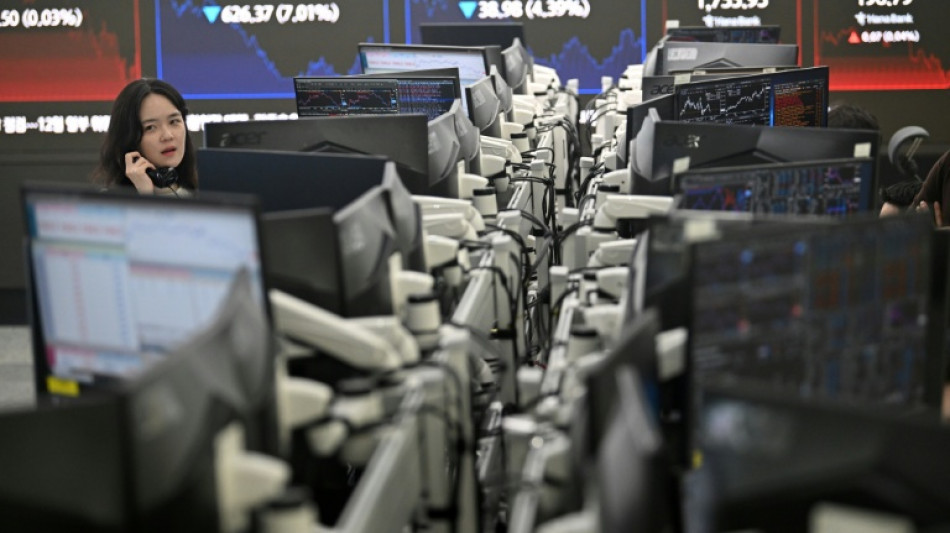
Asian markets mixed as tech recovery stutters, oil slips / Photo: Jung Yeon-je - AFP

 London
 15 °C
15 °C

 Manchester
 13 °C
13 °C
 Glasgow
 11 °C
11 °C
 Dublin
17 °C
Dublin
17 °C
 Belfast
17 °C
Belfast
17 °C
 Washington
18 °C
Washington
18 °C
 Denver
 20 °C
20 °C
 Atlanta
24 °C
Atlanta
24 °C
 Dallas
30 °C
Dallas
30 °C
 Houston Texas
29 °C
Houston Texas
29 °C
 New Orleans
25 °C
New Orleans
25 °C
 El Paso
30 °C
El Paso
30 °C
 Phoenix
35 °C
Phoenix
35 °C
 Los Angeles
21 °C
San Diego
21 °C
San Francisco
15 °C
Chicago
17 °C
Minneapolis
13 °C
Seattle
17 °C
Portland
19 °C
Salt Lake City
20 °C
Las Vegas
29 °C
Miami
26 °C
Jacksonville
25 °C
San Antonio
30 °C
Bermuda
28 °C
Nassau
18 °C
Iqaluit
0 °C
Yellowknife
14 °C
Anchorage
11 °C
Fairbanks
6 °C
Barrow
1 °C
Calgary
19 °C
Edmonton
22 °C
Winnipeg
12 °C
Goose Bay
11 °C
Halifax
11 °C
Boston
13 °C
Ottawa
10 °C
Toronto
13 °C
Detroit
13 °C
Cleveland
15 °C
New York
19 °C
Baltimore
18 °C
Philadelphia
18 °C
Nuuk (Godthåb)
3 °C
Hong Kong
Los Angeles
21 °C
San Diego
21 °C
San Francisco
15 °C
Chicago
17 °C
Minneapolis
13 °C
Seattle
17 °C
Portland
19 °C
Salt Lake City
20 °C
Las Vegas
29 °C
Miami
26 °C
Jacksonville
25 °C
San Antonio
30 °C
Bermuda
28 °C
Nassau
18 °C
Iqaluit
0 °C
Yellowknife
14 °C
Anchorage
11 °C
Fairbanks
6 °C
Barrow
1 °C
Calgary
19 °C
Edmonton
22 °C
Winnipeg
12 °C
Goose Bay
11 °C
Halifax
11 °C
Boston
13 °C
Ottawa
10 °C
Toronto
13 °C
Detroit
13 °C
Cleveland
15 °C
New York
19 °C
Baltimore
18 °C
Philadelphia
18 °C
Nuuk (Godthåb)
3 °C
Hong Kong
 30 °C
Singapore
30 °C
Singapore
 30 °C
Melbourne
26 °C
Canberra
12 °C
Adelaide
18 °C
Darwin
30 °C
Perth
30 °C
Melbourne
26 °C
Canberra
12 °C
Adelaide
18 °C
Darwin
30 °C
Perth
 19 °C
Fort Worth
28 °C
Honolulu
29 °C
Sydney
16 °C
Johannesburg
12 °C
Dubai
31 °C
Mumbai
27 °C
Zürich
9 °C
Tokyo
31 °C
Seoul
28 °C
Delhi
29 °C
Beijing
25 °C
Riyadh
27 °C
Prague
11 °C
Pennsylvania
16 °C
Valletta
23 °C
Manama
32 °C
Warsaw
9 °C
Stockholm
9 °C
19 °C
Fort Worth
28 °C
Honolulu
29 °C
Sydney
16 °C
Johannesburg
12 °C
Dubai
31 °C
Mumbai
27 °C
Zürich
9 °C
Tokyo
31 °C
Seoul
28 °C
Delhi
29 °C
Beijing
25 °C
Riyadh
27 °C
Prague
11 °C
Pennsylvania
16 °C
Valletta
23 °C
Manama
32 °C
Warsaw
9 °C
Stockholm
9 °C
Asian markets fluctuated Monday as investors struggled to maintain last week's late tech recovery, with traders turning their focus to the upcoming earnings season, while oil prices fell on further supplies passing through the Strait of Hormuz.
After a tough end to June -- fuelled by worries that valuations linked to the AI boom may have been overdone -- the mood was lifted on Thursday by data showing fewer US jobs than expected were created last month.
That soothed fears the Federal Reserve could hike interest rates soon to bring down inflation, and fuelled a healthy bounce across Asia, led by Seoul.
However, traders remain edgy and tech firms once again saw big moves in early trade Monday, with Seoul swinging from a near two percent gain to a more than two percent loss.
Tokyo was also in the red with Singapore and Sydney, while Hong Kong, Shanghai, Wellington and Taipei edged up.
The AI theme remains the dominant force in markets, with talk now centred on when firms will see returns on the trillions of dollars invested in the sector and whether valuations have run ahead of themselves.
Alphabet, Amazon, Meta and Microsoft have said they would put aside more than $725 billion for the industry this year alone.
Sentiment was given a lift by Taipei-listed Hon Hai, which announced a forecast-beating jump in April-June sales and predicted more growth to come.
The firm, also known as Foxconn, has gone beyond assembling low-margin iPhones to making AI servers for Nvidia, along with electric vehicles and robots. The firm's shares rose more than six percent in Taipei.
The report comes at the start of an earnings season that will be pored over for an idea about companies' plans for AI and their outlook in light of the huge sums stumped up so far.
Also in view is the Wall Street debut of South Korean chip titan SK hynix, which sees its $29 billion listing on Friday.
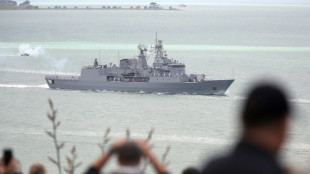
Crude prices extended losses as tankers continued to pass through the Strait of Hormuz and on optimism over US-Iran peace talks.
However, SPI Asset Management's Stephen Innes warned the benefits could take some time to feed through the economy.
"Energy knock-on effects rarely arrive all at once," he wrote. "First crude moves, then freight, transport, consumer confidence, corporate margins, inflation expectations, and eventually the questions central bankers would rather avoid.
"A few more tankers moving safely through Hormuz may take the edge off the immediate panic premium, but it does not undo the cost pressures already working their way through the global economy."
And Dr. Karsten Junius, chief economist at Bank J. Safra Sarasin, added: "Oil exports remain well below pre-war levels and bottlenecks are likely to persist.
"Meanwhile, efforts to re-build strategic and commercial reserves should support demand. As a result, oil prices are likely to settle around $75-$80 a barrel over the coming year, keeping the inflation trajectory more elevated this year."
- Key figures around 0230 GMT -
Tokyo - Nikkei 225: DOWN 1.2 percent at 68,919.14 (break)
Seoul - Kospi: DOWN 2.4 percent at 7,894.58
Hong Kong - Hang Seng Index: UP 0.4 percent at 23,440.64
Shanghai - Composite: UP 0.3 percent at 4,055.47
Dollar/yen: UP at 161.79 yen from 161.29 yen on Friday
Euro/dollar: DOWN at $1.1430 from $1.1442
Pound/dollar: DOWN at $1.3341 from $1.3355
Euro/pound: DOWN at 85.65 pence from 85.68 pence
West Texas Intermediate: DOWN 0.1 percent at $68.64 a barrel
Brent North Sea Crude: DOWN 0.3 percent at $71.93 a barrel
London - FTSE 100: UP 0.3 percent at 10,679.03 (close)
New York - Dow: Closed for public holiday
G.Hauser--BlnAP