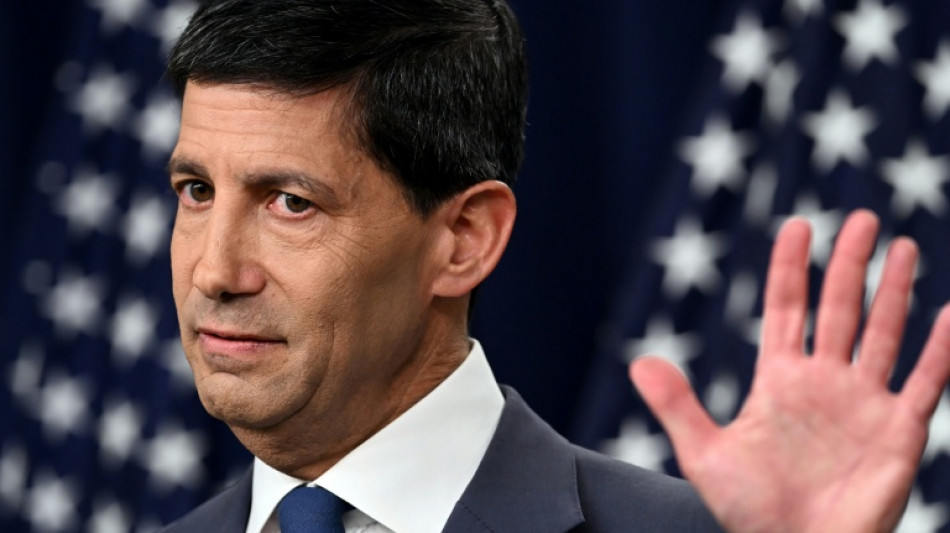
'This is the test': All eyes on US Fed to tackle high inflation / Photo: Brendan SMIALOWSKI - AFP/File

 London
 18 °C
18 °C
 Manchester
17 °C
Manchester
17 °C
 Glasgow
16 °C
Glasgow
16 °C
 Dublin
 16 °C
16 °C
 Belfast
14 °C
Belfast
14 °C
 Washington
25 °C
Washington
25 °C
 Denver
 21 °C
21 °C
 Atlanta
25 °C
Atlanta
25 °C
 Dallas
34 °C
Dallas
34 °C
 Houston Texas
30 °C
Houston Texas
30 °C
 New Orleans
26 °C
New Orleans
26 °C
 El Paso
 32 °C
32 °C
 Phoenix
 35 °C
35 °C
 Los Angeles
24 °C
San Diego
22 °C
San Francisco
17 °C
Chicago
25 °C
Minneapolis
17 °C
Seattle
16 °C
Portland
15 °C
Salt Lake City
26 °C
Las Vegas
36 °C
Miami
27 °C
Jacksonville
25 °C
San Antonio
31 °C
Bermuda
27 °C
Nassau
21 °C
Iqaluit
0 °C
Yellowknife
14 °C
Anchorage
16 °C
Fairbanks
11 °C
Barrow
3 °C
Calgary
8 °C
Edmonton
24 °C
Winnipeg
9 °C
Goose Bay
21 °C
Halifax
14 °C
Boston
18 °C
Ottawa
21 °C
Toronto
20 °C
Detroit
24 °C
Cleveland
22 °C
New York
23 °C
Baltimore
24 °C
Philadelphia
22 °C
Nuuk (Godthåb)
3 °C
Hong Kong
Los Angeles
24 °C
San Diego
22 °C
San Francisco
17 °C
Chicago
25 °C
Minneapolis
17 °C
Seattle
16 °C
Portland
15 °C
Salt Lake City
26 °C
Las Vegas
36 °C
Miami
27 °C
Jacksonville
25 °C
San Antonio
31 °C
Bermuda
27 °C
Nassau
21 °C
Iqaluit
0 °C
Yellowknife
14 °C
Anchorage
16 °C
Fairbanks
11 °C
Barrow
3 °C
Calgary
8 °C
Edmonton
24 °C
Winnipeg
9 °C
Goose Bay
21 °C
Halifax
14 °C
Boston
18 °C
Ottawa
21 °C
Toronto
20 °C
Detroit
24 °C
Cleveland
22 °C
New York
23 °C
Baltimore
24 °C
Philadelphia
22 °C
Nuuk (Godthåb)
3 °C
Hong Kong
 29 °C
Singapore
29 °C
Singapore
 30 °C
Melbourne
23 °C
Canberra
30 °C
Melbourne
23 °C
Canberra
 19 °C
Adelaide
18 °C
Darwin
19 °C
Adelaide
18 °C
Darwin
 32 °C
Perth
19 °C
Fort Worth
33 °C
Honolulu
28 °C
Sydney
24 °C
Johannesburg
9 °C
Dubai
32 °C
Mumbai
25 °C
Zürich
13 °C
Tokyo
23 °C
Seoul
23 °C
Delhi
28 °C
Beijing
26 °C
Riyadh
29 °C
Prague
13 °C
Pennsylvania
23 °C
Valletta
26 °C
Manama
32 °C
Warsaw
11 °C
Stockholm
14 °C
32 °C
Perth
19 °C
Fort Worth
33 °C
Honolulu
28 °C
Sydney
24 °C
Johannesburg
9 °C
Dubai
32 °C
Mumbai
25 °C
Zürich
13 °C
Tokyo
23 °C
Seoul
23 °C
Delhi
28 °C
Beijing
26 °C
Riyadh
29 °C
Prague
13 °C
Pennsylvania
23 °C
Valletta
26 °C
Manama
32 °C
Warsaw
11 °C
Stockholm
14 °C
The US Federal Reserve goes into a key rate-setting meeting this week with markets expecting policymakers to pull the trigger on a rate hike to tackle persistently high inflation -- and analysts say central bank chief Kevin Warsh's credibility is on the line.
The world's largest economy has been dealing with years of higher-than-target inflation, and prices have surged in the wake of US President Donald Trump's war on Iran, his signature tariff policies and the ongoing AI boom.
The Fed has held rates steady since January, choosing to wait to gauge the effects of energy price shocks and to let the tariffs' effects on prices ripple through the economy.
In recent weeks, however, several Fed policymakers -- including Warsh himself -- have hinted that if inflation does not show clear signs of slowing, the central bank will have to act by raising interest rates.
On Friday, new data on consumer inflation for August showed it remaining steady at 3.4 percent -- no change from the month before, but still well above the Fed's long-term two percent target.
Market expectations of a 25-basis-point rate hike on Wednesday surged in the wake of the data, with the probability at more than 85 percent according to CME's FedWatch tool.
The Fed last raised rates three years ago, when it was fighting surging inflation in the wake of the pandemic. They currently stand at between 3.50 and 3.75 percent.
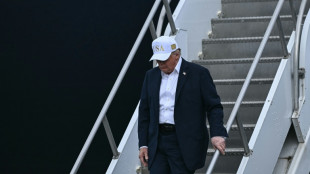
Trump has railed against the Fed over interest rates since taking office for his second term, launching unprecedented attacks on the central bank's independence as he demands lower rates to spur economic activity.
The US president launched a criminal probe against previous Fed chair Jerome Powell, is attempting to fire another Fed governor and has even threatened to cut trade ties with certain countries if the Fed raised rates.
Warsh was appointed by Trump and analysts say this is his first real test since taking office: Will the Fed raise rates to combat inflation, or hold steady in line with what the White House prefers?
"This is the test. This is what comes with that job, and now he has to decide how to handle it," said David Wessel, senior fellow at the Brookings Institution.
"He's either going to completely disappoint the markets, or he runs the risk that he's going to start to anger Donald Trump."
The Fed's Federal Open Market Committee, with its 12 voting members, will announce its decision after a two-day meeting on Wednesday at 2:00 pm (1800 GMT).
- 'Costly medicine' -
"It's quite likely that the Fed will raise interest rates next week," said Claudia Sahm, chief economist at investment firm New Century Advisors who previously worked at the Fed.
But "it's not a done deal," she cautioned in comments to AFP. "This is a difficult decision for them to make."
Raising interest rates would increase borrowing costs across the board for the US economy, acting as a brake on further investment and consumption activity.
Sahm warned such a move was "not a magic wand and it is a costly medicine."
She said the Fed could still hold rates steady rather than administer that medicine, but it would have to explain its decision clearly to markets.
"If they surprise markets and they can't explain why they're surprising markets, then Wednesday afternoon will be pretty messy," she said.
Since taking office, Warsh has changed the way the Fed communicates about its decisions, advocating for less transparency into the process as he thinks it locks policymakers into courses of action that may need to be adjusted.
Investors have had mixed reactions to the cut in what is known as "forward guidance," with analysts saying it has introduced more uncertainty into how financial markets price in inflation and interest rate expectations.
Warsh has advocated in the past for lower interest rates due to expected productivity gains from AI technology, but in recent weeks he has doubled down on the Fed's mandate to bring inflation down.
"There's always been this doubt about whether Kevin Warsh is going to be like his predecessors and do what's right for the economy, even if it's politically inconvenient," said Wessel of Brookings.
"If he raises rates now and Trump goes ballistic, he will have established his credibility as an independent Fed chair for the rest of his term."
D.Mayer--BlnAP