Closing arguments in blockbuster trial pitting Musk against OpenAI / Photo: JOSH EDELSON - AFP/File

 London
 16 °C
16 °C
 Manchester
 16 °C
16 °C
 Glasgow
10 °C
Glasgow
10 °C
 Dublin
12 °C
Dublin
12 °C
 Belfast
 11 °C
11 °C
 Washington
14 °C
Washington
14 °C
 Denver
 17 °C
17 °C
 Atlanta
 22 °C
22 °C
 Dallas
 28 °C
28 °C
 Houston Texas
28 °C
Houston Texas
28 °C
 New Orleans
26 °C
New Orleans
26 °C
 El Paso
 18 °C
18 °C
 Phoenix
31 °C
Phoenix
31 °C
 Los Angeles
20 °C
San Diego
20 °C
San Francisco
14 °C
Chicago
16 °C
Minneapolis
10 °C
Seattle
13 °C
Portland
14 °C
Salt Lake City
14 °C
Las Vegas
25 °C
Miami
25 °C
Jacksonville
24 °C
San Antonio
27 °C
Bermuda
28 °C
Nassau
14 °C
Iqaluit
5 °C
Yellowknife
6 °C
Anchorage
6 °C
Fairbanks
1 °C
Barrow
-2 °C
Calgary
10 °C
Edmonton
18 °C
Winnipeg
12 °C
Goose Bay
8 °C
Halifax
13 °C
Boston
10 °C
Ottawa
6 °C
Toronto
11 °C
Detroit
13 °C
Cleveland
15 °C
New York
14 °C
Baltimore
15 °C
Philadelphia
15 °C
Nuuk (Godthåb)
2 °C
Hong Kong
30 °C
Singapore
31 °C
Melbourne
26 °C
Canberra
19 °C
Adelaide
22 °C
Darwin
32 °C
Perth
21 °C
Fort Worth
28 °C
Honolulu
27 °C
Sydney
18 °C
Johannesburg
16 °C
Dubai
36 °C
Mumbai
32 °C
Zürich
10 °C
Tokyo
Los Angeles
20 °C
San Diego
20 °C
San Francisco
14 °C
Chicago
16 °C
Minneapolis
10 °C
Seattle
13 °C
Portland
14 °C
Salt Lake City
14 °C
Las Vegas
25 °C
Miami
25 °C
Jacksonville
24 °C
San Antonio
27 °C
Bermuda
28 °C
Nassau
14 °C
Iqaluit
5 °C
Yellowknife
6 °C
Anchorage
6 °C
Fairbanks
1 °C
Barrow
-2 °C
Calgary
10 °C
Edmonton
18 °C
Winnipeg
12 °C
Goose Bay
8 °C
Halifax
13 °C
Boston
10 °C
Ottawa
6 °C
Toronto
11 °C
Detroit
13 °C
Cleveland
15 °C
New York
14 °C
Baltimore
15 °C
Philadelphia
15 °C
Nuuk (Godthåb)
2 °C
Hong Kong
30 °C
Singapore
31 °C
Melbourne
26 °C
Canberra
19 °C
Adelaide
22 °C
Darwin
32 °C
Perth
21 °C
Fort Worth
28 °C
Honolulu
27 °C
Sydney
18 °C
Johannesburg
16 °C
Dubai
36 °C
Mumbai
32 °C
Zürich
10 °C
Tokyo
 20 °C
Seoul
20 °C
Seoul
 29 °C
Delhi
33 °C
Beijing
31 °C
Riyadh
39 °C
Prague
10 °C
Pennsylvania
14 °C
Valletta
21 °C
Manama
37 °C
Warsaw
12 °C
Stockholm
10 °C
29 °C
Delhi
33 °C
Beijing
31 °C
Riyadh
39 °C
Prague
10 °C
Pennsylvania
14 °C
Valletta
21 °C
Manama
37 °C
Warsaw
12 °C
Stockholm
10 °C
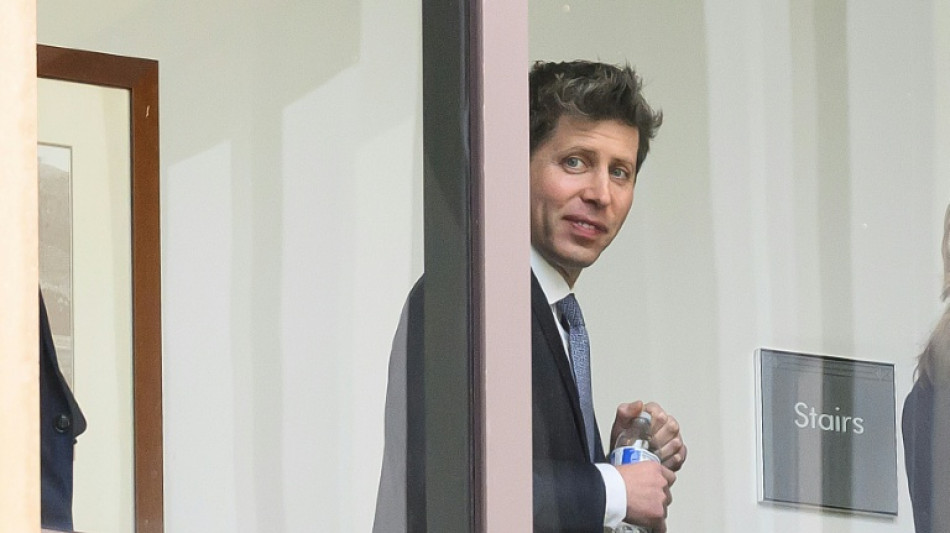
Lawyers for Elon Musk and OpenAI presented closing arguments Thursday in a blockbuster trial where the verdict could hobble ChatGPT's parent company in the breakneck race for AI supremacy.
The three-week trial in Oakland, outside San Francisco, has seen a parade of Silicon Valley titans take the stand.
World's richest person Musk is suing OpenAI over its pivot away from a scrappy non-profit into the $850 billion juggernaut behind ChatGPT.
Musk claims OpenAI CEO Sam Altman and co-founder Greg Brockman improperly used a $38 million injection he had hoped would sustain OpenAI as a research lab dedicated to developing AI technology for the good of humanity.
For the nine-person jury, as Judge Yvonne Gonzalez Rogers noted, their decision may come down to a simple question: who should they believe among the bickering billionaires?
"A non-profit devoted to the safe development of artificial intelligence, open sourced as practical, for the benefit of humanity. You know, we're supposed to buy that," quipped Musk's attorney Steven Molo in his closing argument on Thursday, slamming Altman's integrity.
OpenAI attorney Sarah Eddy countered with an attack on Musk.
"Even the people who work for him, even the mother of his children, can't back his story," she said, referring to Shivon Zilis, a business associate of Musk with whom he has four children, who testified about her role as an intermediary between the tech executives.
Musk, who was visiting China on Thursday as part of US President Donald Trump's delegation, left OpenAI in 2018 and continues to pursue lucrative AI projects through his company SpaceX.
-- Petty revenge? --
OpenAI was founded as a non-profit in 2015, but established a for-profit subsidiary in 2019 as the AI race heated up.
Altman and others insist this was necessary to raise the vast sums of money from investors required to compete in a costly and difficult field.
Musk's legal case demands that OpenAI revert to non-profit status, a move that would stymie its position in the global artificial intelligence race against Anthropic, Google and China's Deepseek.
As a non-profit, OpenAI would have to abandon its planned IPO and sever ties with powerful investors -- Microsoft, Amazon, and SoftBank -- whose funding is essential in the costly AI race.
In that scenario, the jury would have to determine whether Microsoft -- the then-startup's first private investor with a $13 billion injection -- knowingly facilitated the company's deviation from its original mission.
The jury's first task is to determine whether Musk, who initiated the case in 2024 -- six years after leaving OpenAI -- filed his lawsuit within the legally permitted time limit.
If the answer is no, the case would end there.
OpenAI argues Musk is motivated by petty revenge, having failed to seize majority control of the commercial entity.
The trial has featured testimony from some of the top names in tech.
Musk spent three days on the stand portraying himself as a selfless benefactor seeking to reconcile the advancement of AI with the preservation of humanity.
Also appearing were OpenAI co-founder Brockman, who has since become one of the largest donors to President Donald Trump's camp, Microsoft CEO Satya Nadella and Altman.
The case has highlighted the mind-boggling sums of cash washing around AI companies as they forge ahead with a technology that is changing the way society lives and works.
The jury, which serves in an advisory role in this trial, is expected to reach a verdict on any actual wrongdoing next week.
The judge will make the final decision on liability and potential remedies. She has indicated she will likely follow the jury's advice.
C.W.Kuhn--BlnAP