NIVA Launches as Free AI-Free Design Tool Amid Industry Backlash

 London
 5 °C

 Manchester
5 °C
 Glasgow
-1 °C
 Dublin
 8 °C
 Belfast
7 °C
 Washington
 8 °C
 Denver
 13 °C
 Atlanta
16 °C
 Dallas
8 °C
 Houston Texas
 13 °C
 New Orleans
 14 °C
 El Paso
 13 °C
 Phoenix
 24 °C
 Los Angeles
23 °C
San Diego
23 °C
San Francisco
17 °C
Chicago
4 °C
Minneapolis
1 °C
Seattle
11 °C
Portland
11 °C
Salt Lake City
9 °C
Las Vegas
17 °C
Miami
25 °C
Jacksonville
 19 °C
San Antonio
10 °C
Bermuda
24 °C
Nassau
 7 °C
Iqaluit
-15 °C
Yellowknife
 -7 °C
Anchorage
-5 °C
Fairbanks
-20 °C
Barrow
-8 °C
Calgary
0 °C
Edmonton
7 °C
Winnipeg
-3 °C
Goose Bay
0 °C
Halifax
4 °C
Boston
5 °C
Ottawa
0 °C
Toronto
1 °C
Detroit
2 °C
Cleveland
3 °C
New York
8 °C
Baltimore
8 °C
Philadelphia
8 °C
Nuuk (Godthåb)
-5 °C
Hong Kong
17 °C
Singapore
26 °C
Melbourne
22 °C
Canberra
14 °C
Adelaide
22 °C
Darwin
27 °C
Perth
15 °C
Fort Worth
8 °C
Honolulu
27 °C
Sydney
19 °C
Johannesburg
18 °C
Dubai
25 °C
Mumbai
27 °C
Zürich
2 °C
Tokyo
9 °C
Seoul
-5 °C
Delhi
15 °C
Beijing
-7 °C
Riyadh
17 °C
Prague
-1 °C
Pennsylvania
6 °C
Valletta
18 °C
Manama
25 °C
Warsaw
2 °C
Stockholm
1 °C
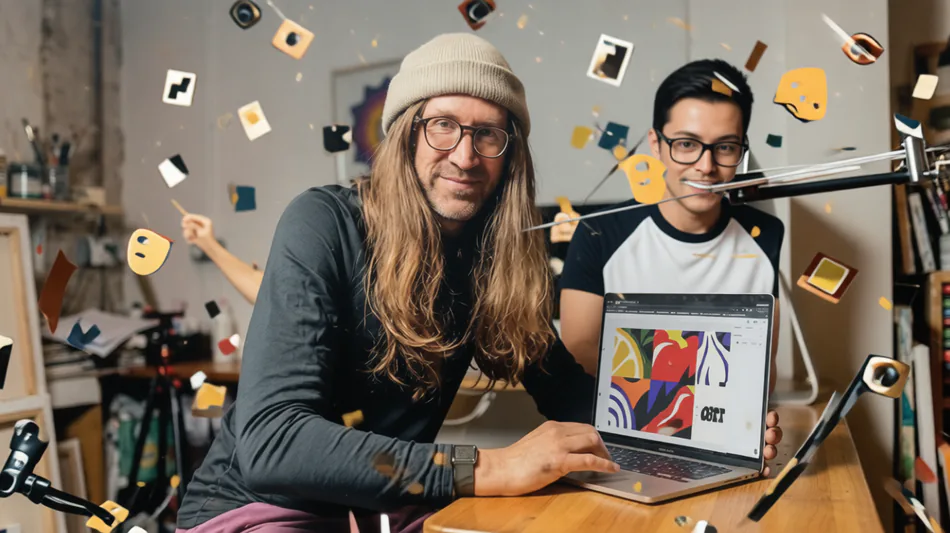
NIVA, a new browser-based graphic design platform developed by British conceptual artist Stuart Semple, has attracted nearly 30,000 users within its first 48 hours. The free tool explicitly rejects artificial intelligence and template-driven workflows, positioning itself as an alternative to subscription-heavy software like Adobe.
A new graphic design platform called NIVA has garnered nearly 30,000 users within 48 hours of its public launch, offering creative tools without subscription fees or artificial intelligence integration. The software, developed by British conceptual artist Stuart Semple, positions itself in direct opposition to the automation trends dominating the professional design industry.
NIVA operates entirely within a web browser, eliminating the need for desktop installations. Its core philosophy centers on independent creation, allowing users to build visual projects from scratch rather than relying on automated generation or pre-made templates. Within the first two days of availability, 56% of users created their first design element within 40 seconds of accessing the interface.
Semple developed NIVA after expressing concern over the increasing encroachment of AI into software used by professional designers. He argues that current industry standards prioritize automation over skill development.
"It’s not template-based like Canva, it has no AI to do it for you and it doesn’t have a million features you'd never use," Semple said. "It’s a place to really practise your craft. It’s for people who still believe in making stuff."
The launch coincides with growing dissatisfaction among creators regarding the cost and practices of established software companies. Adobe, a dominant player in the creative software market, has expanded its artificial intelligence capabilities across its suite of applications, including tools widely used by digital artists and professional designers. Recent announcements of additional AI features have drawn criticism from some creative professionals who fear that automated workflows may reduce opportunities for designers to practice traditional skills.
Semple has criticized software companies for repeatedly charging creators while introducing automated capabilities into applications that professionals depend upon daily. He emphasized that "good design comes from taste, emotion and understanding," highlighting the importance of human judgment in creative production.
The timing of NIVA’s release also follows significant legal developments in the industry. Earlier in 2026, Adobe agreed to pay $150 million to settle with the US government concerning its subscription and cancellation practices. While the settlement did not address artificial intelligence, it adds context to ongoing criticism of established creative software companies.
Semple’s development of NIVA was not without obstacles. He acknowledged that legal considerations forced him to abandon the project's original identity midway through development. He declined to discuss the specific details publicly but confirmed that he had to restart the project from scratch.
NIVA is now accessible through its website, offering creators worldwide an opportunity to explore its tools without subscriptions, downloads, or artificial intelligence. The platform’s rapid user growth suggests considerable interest in tools that allow users to undertake creative work directly rather than delegating production to automated systems.
C.Weber--BlnAP